Source: Interview with Tommy Lee, lead editor for Sidemen, on the Clipflow YouTube channel.
Tommy Lee has been editing for Sidemen for 7 months. Before that, he spent 7-8 years as lead editor at Stuck TV in Holland, leading a team, managing interns, handling any project at any scale. When Sidemen needed someone who could handle the pressure, his network vouched for him before he even asked.
But what struck me most about our conversation wasn't his resume. It was how casually he described workflows that would break most content operations.
The Scale Problem Nobody Talks About
Most content teams struggle with consistency. Miss a week here, delay a video there. The common excuse is "quality takes time."
Sidemen doesn't have that luxury. Weekly uploads, no exceptions. The shoots generate 4-6 hours of footage each across 12-40 cameras. The turnaround is 10 work days. The margin for error is essentially zero.
"The videos we make are massive," Tommy explained. "We have tight turnarounds every week because we upload weekly with no fail. So there's little room for error. We need to work fast and efficient."
This isn't a team of 50 editors absorbing the load. It's 4-5 full-time editors, one or two remote freelancers, and a post-production supervisor who keeps the machine running.
Scheduling Is the Actual Bottleneck
When I asked Tommy about the biggest roadblock in their production process, I expected something technical. Sync issues, color grading at scale, review bottlenecks.
His answer was simpler and more frustrating: scheduling.
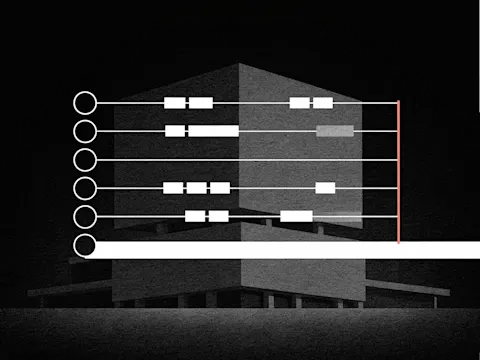
"If we get a video in late and late being it gets shot on this Tuesday and it needs to go up next Sunday, we only have 10 work days to get it done. Scheduling all that in correctly with the right editors at the right time is quite a difficult thing to organize properly."
This is the part most scaling content teams underestimate. The creative work is hard, but the logistics of matching available editors to incoming projects, accounting for their strengths, managing dependencies, that's where operations actually break down.
A post-production supervisor named Tim handles this at Sidemen. He manages the schedule, knows who's available, understands which editors are better at which formats, and adjusts assignments in real time. The team communicates and swaps when needed.
Without that role, or without systems that accomplish the same thing, weekly output at this scale wouldn't be possible.
The V0-to-Final Process
Sidemen's editing workflow uses a versioning system that creates clarity across multiple editors and review cycles.
V0 is the assembly. Every useful moment gets cut and collected. "It's just an assembly of everything that we find useful," Tommy said.
From there, the refinement begins. Because shoots often have multiple things happening simultaneously, like different teams in a gameshow format, the V0 stage involves combining moments that occur in the same time code.
"While laying those combinations and watching them back, you'll get a feeling. Oh, this is either repetitive or boring or it drags a bit or it's perfect. And you get all these different emotions while watching back and just zooming out a bit."
The magic happens in the space between assembly and final. Choosing which narratives to play out, which ones to skip, what to hold back to surprise the viewer later.
This isn't improvisation. It's a structured process that allows multiple people to contribute while maintaining a coherent vision.
Wednesday Check-ins That Actually Work
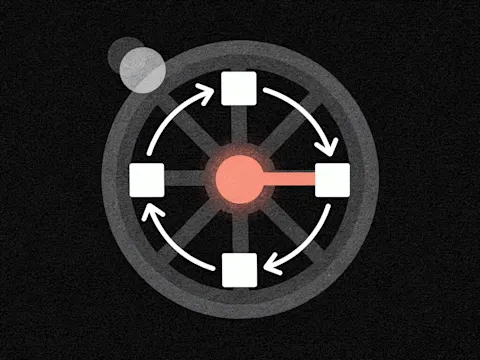
The team runs weekly sync calls every Wednesday. They go over the current video, upcoming shoots, and the schedule for the next couple weeks.
"Just to figure out if everything's on the right track and if everybody's happy with how it's going."
This sounds basic, but I've seen agencies and in-house teams skip this step because everyone's "too busy editing." Then projects slip, miscommunications compound, and suddenly you're two weeks behind wondering what happened.
The check-in isn't overhead. It's the pressure release valve that keeps the machine from grinding.
Self-Governing Teams Beat Micromanagement
What surprised me most was how autonomous the team operates. Tommy described them as "self-governing."
"The whole edit team is one unity trying to figure out how to do every video the best way possible. We've got people that are better at some things than others, and when available, we will put those people in those places."
The post-production supervisor sets the initial schedule, but the team communicates and swaps when a different match makes more sense. No one waits for permission. No one escalates basic decisions.
This only works when two conditions are met: trust and visibility. The team trusts each other's judgment. And everyone has visibility into what's coming, what's in progress, and who's available.
What This Means for Your Operation
You probably don't have 40 cameras and 7-hour shoots. But the principles scale down:
The boring stuff is the hard stuff. Scheduling, availability tracking, capacity planning. These aren't creative problems, but they're the ones that kill consistency.
Versioning creates clarity. Whether you call it V0-to-final or rough cut to locked cut, having defined stages lets multiple people contribute without chaos.
Weekly syncs prevent drift. 30 minutes every Wednesday catches problems before they compound.
Self-governing teams require infrastructure. Autonomy isn't the absence of structure. It's the presence of visibility and trust.
Sidemen ships weekly with no fail because the system is built for that output. The creativity happens inside the constraints. The machine keeps turning because someone designed it to turn.
The question for your operation: what would need to change for weekly output to feel sustainable instead of heroic?