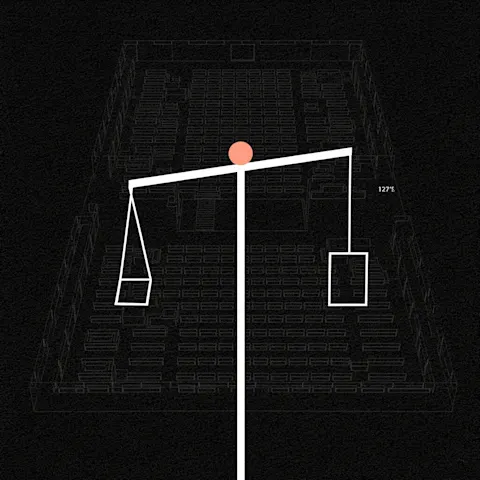
A 95,000 view video generated zero client inquiries. A 12,000 view video had creative directors reaching out with pages of notes. Views are noise. Conversions are signal.
Source: Interview with Caleb Ralston on Callum McDonnell's podcast. Caleb is the strategist who helped scale Hormozi's brand to 11.5M followers and worked with Gary Vee's content team.
Every content guru right now is talking about hooks, thumbnails, and going viral. They're not wrong. Those things get views. But Caleb Ralston, after 17 years in the industry and building some of the biggest personal brands in entrepreneurship, believes they're optimizing for the wrong thing.
"I think that gets lots of views and attention, but I think we could probably all relate to this. There's a lot of creators that we consume on different platforms. We do not follow. It shows up in our feed. We consume it. But we could not tell you what their name is right now."
There's no brand. Just content.
The Virality Trap
The logic of virality seems obvious: more views means more awareness means more customers. Simple funnel math.
But Caleb's data tells a different story.
His team posted a video about struggling with making content. It was cinematic. It performed well by every platform metric. 95,000 views. His second most-viewed video.
Zero clients reached out.
Then they posted a video about how to lead a media team. Tactical. Specific. Less than 12,000 views. Their lowest-performing video.
Creative directors from major brands reached out. Personal brands they aspired to work with got in touch. People sent pages of notes they'd taken.
"If we listen to what YouTube is telling us, we would stop doing that and make the other. And we'd be burning my business to the ground because of it."
What Views Actually Measure
Views measure attention captured, not trust earned.
When you optimize for views, you're optimizing for content that stops the scroll. That's a skill. But stopping the scroll and building a relationship with your ideal customer are different objectives.
"All these content gurus are telling people to just download the transcript and then make it for themselves. Aka don't have an actual opinion on anything. Just regurgitate what you're hearing. Just information. Aka the commodity."
Information is the commodity. Anyone can share information. AI makes it worse. The thing that can't be commoditized is trust.
Trust comes from a pattern of being right. You tell someone what to do. They do it. It works. Repeat. Over time, a trust bar fills up. When you make an offer, they believe it'll work because everything else you told them worked.
"If you do that over and over again, when you suddenly make your audience aware of an offer, they believe. 'Oh well, everything that Caleb's told me to do worked, so why would I not do this?'"
The Contrarian Belief That Makes Brands Blow Up
Caleb believes that the reason personal brands actually blow up isn't hooks or thumbnails. It's having a strong contrarian belief.
Gary Vee entered marketing when everyone was doing TV ads and billboards. His contrarian belief: there's this crazy thing called Facebook.
Cody Sanchez entered at the height of tech founder worship. Her contrarian belief: you could be a plumber and be a millionaire.
"Wildly different message than what everybody else was saying. And I think that's the reason why these brands really blow up."
If your content sounds like everyone else's content, you're adding to the noise. You might get views because the packaging is good. But you won't build a brand because there's nothing to remember.
The exercise Caleb recommends: draw two columns. On the left, write everything the gurus in your space say that you disagree with. On the right, write the opposite. That's your messaging.
What Optimizing for Trust Actually Looks Like
If you're not optimizing for views, what are you optimizing for?
"What you're trying to optimize around is giving people the actions necessary to get the outcome that you're promising in your content."
Every choice in your content should answer one question: does this make it easier for the viewer to change what they do or take action after consuming this?
The hook, the structure, the examples, the graphics. All filtered through that question.
This changes what "quality" means. Quality isn't production value. Quality isn't retention curves. Quality is whether the person watching can actually do something different after watching.
"The audience determines what quality is, not us. Yet we'll sit around all the time and say 'This was such a high quality video.' 213 views later. I don't know if that's true."
The Truck That Starts Every Morning
Caleb uses a simple analogy for trust:
"I have a truck that I love. It's a push start. Every morning when I go out, I put my foot on the brake and I hit that button and it starts. I trust it. But if suddenly I go out there and three mornings in a row it doesn't start, I suddenly have less trust."
Same thing applies to content.
Every time you tell your audience to do something and it works, the trust bar goes up. Every time you make a claim that doesn't hold, it goes down.
This is why content that focuses on actionable advice outperforms content that focuses on entertainment for B2B audiences. Entertainment is nice. But it doesn't fill the trust bar.
Track What Actually Matters
If views are noise, what's the signal?
"Track conversions. If you have some sort of application that people submit to work with you, ask them how they found out about you."
But Caleb goes further. Don't just ask how they found you. Ask what was the tipping point.
"What was the piece of content that you watched that made you feel enough trust to want to work with us?"
That content is your signal. Make more of that. Ignore the view counts.
The 12,000 view video that generated pages of notes and client inquiries is worth more than the 95,000 view video that generated nothing. The data proves it. The business proves it.
The Long Game Nobody Wants to Play
Optimizing for trust is slower. The feedback loop takes months, not hours. You won't see likes and comments pile up immediately.
But Caleb has seen the alternative:
"I've had a lot of conversations with founders that are two years in that were optimizing around the views and the subscribers. And when I ask them how's it going, most of them will give a very painful response."
They have the metrics. They don't have the business.
"You think that you have all this signal because the platform is telling you what you're making is good. And so you keep doing more of that. But if you're a business owner and your goal here is to build your business, not your celebrity, your vanity metrics, well then why are you tracking those and optimizing around that?"
The founders who build trust-first content report different outcomes. Smaller audiences, but audiences that buy. Lower view counts, but higher close rates. Less viral moments, but more sustainable growth.
The platform will keep telling you that views matter. The platform is optimizing for its goals, not yours. Optimize for trust.